
Protein is still dominating the wellness zeitgeist, so we wanted to know whether protein sodas are worth sipping.
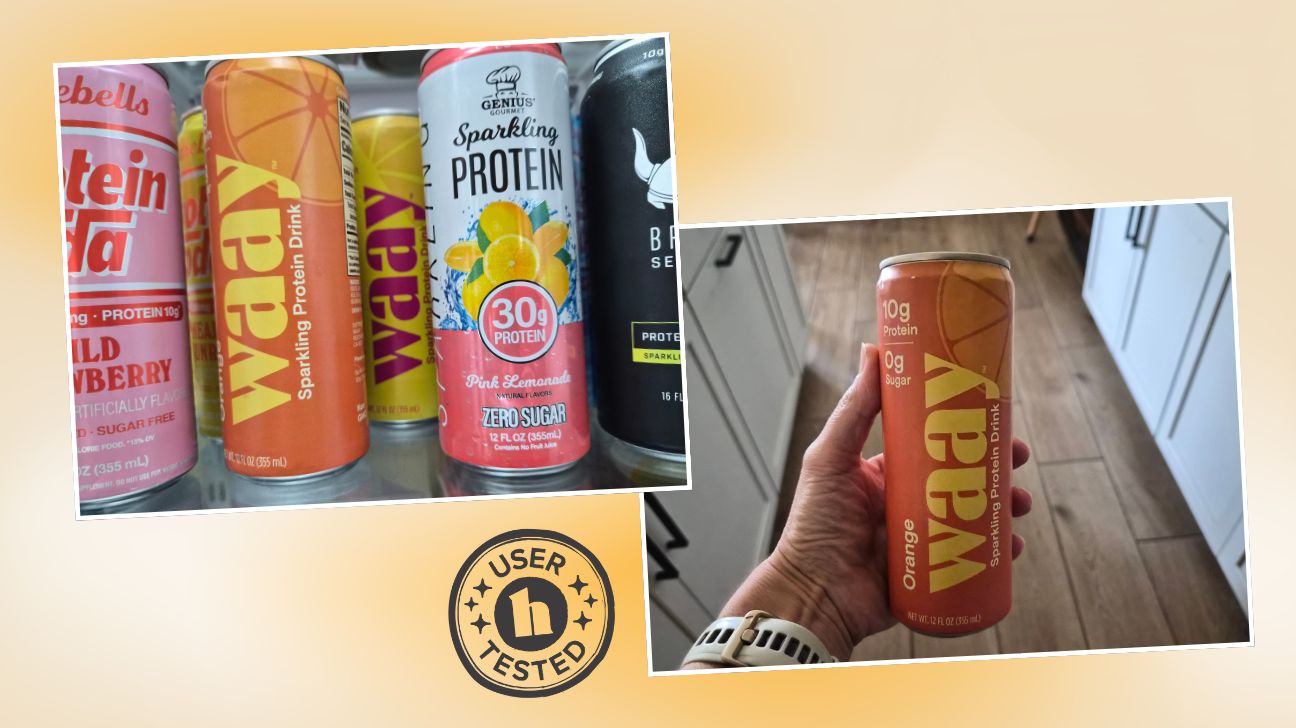
Protein sodas have officially entered the beverage scene. We’re not talking about DIY dirty soda made by mixing a Coke and a bottled protein drink.
We’re talking about sweet and allegedly delectable bubbly drinks, canned and sold to help you meet your protein goals.
But are they good, or good for you? We tried a handful of brands and talked to a dietitian to find out.
Yes, but there are caveats. They fall somewhere between better than regular soda but not as good as eating whole foods.
“Sparkling protein drinks can be a simple and convenient way to bump up your intake of protein,” says Rachael Ajmera, MS, RD, dietitian, writer. Eating enough protein is not only important for building and maintaining muscle, but also for immune, hair, and nail health.
She points out that these drinks, ranging from 10 to 30 grams of protein, can also be beneficial for weight loss. “They’re low in calories and high in protein, which plays a key role in regulating your appetite,” Ajmera explains.
But let’s review the footnotes:
- Protein sodas should not replace whole foods in your diet; they’re better treated as a protein snack than a meal replacement.
- You won’t feel as full or as satiated after drinking them as with protein powders (which are also more cost-effective).
- They tend to contain artificial sweeteners, which some people prefer to avoid.
- Some protein sodas also contain caffeine; be mindful if you’re limiting caffeine.
Medical Perspective
“These drinks shouldn’t be used as a replacement for whole food sources of protein, which also provide other important nutrients including vitamins, minerals, fiber, and heart-healthy fats.”
— Rachael Ajmera, MS, RD, dietitian, writer and Nutrimental founder
Quotes represent the opinions of our medical experts. All content is strictly informational and should not be considered medical advice.
Frankly, sweet. These trendy, bubbly protein drinks, while usually sugar-free, are not without sweeteners, both natural and artificial. And the taste reflects that fact.
In some cases, they were too sweet to consider buying again, and others landed on the milder side (though still sweet). If you’re expecting protein sodas to be the protein-infused version of seltzer waters like LaCroix or Spindrift, that’s not the case.
Our two favorite brands offered the most palatable level of sweetness and made nice companions for guilty-pleasure, salty afternoon snacking habits. And even then, sometimes the sweetness would veer on too much toward the end of the can.
The experience was comparable to the sweeter cocktail you don’t usually order but still treat yourself to now and then. It’s tasty, but it always kindly reminds you why you can never drink more than one.
Brute has a pleasant, milder sweetness, and the Lemon-Lime flavor was refreshing. It was the least sweet of everything we tried. However, it’s made only with collagen peptides as the protein source, making it an incomplete protein. It can still be a tasty choice if you’re less concerned with complete proteins for muscle growth. It also contains a few extras: electrolytes and B vitamins.
Brute contains 40 mg of caffeine, a mild amount compared to Barebells protein sodas, which have 200 mg. Depending on your caffeine habits, this could be a pro or a con. Brute also contains more sweeteners than our top picks, including erythritol (a sugar alcohol) and two artificial sweeteners.
On the upside, Genius Gourmet’s sparkling protein drinks contain the most protein of all the protein sodas we tried, at 30 grams, and are made with both whey isolate and collagen peptides.
But all three flavors we tried are intensely sweet — Blue Raspberry Lemonade, Pink Lemonade, and Fruit Punch. Citrus Frost is also available, but we didn’t test that flavor. Despite being sugar-free, they were overly sweet, making them hard to drink. It could be a match for you only if your sweet tolerance is high. It’s also the highest-calorie option we tried at 130 grams per can.
What’s on our radar next
As we started evaluating and testing protein sodas, more of them debuted on the market throughout early 2026. Next, we’ll be looking to vet and test Livvy, Lumen, Protein Pop, Proda, and Gym Soda.
If you overconsume them, yes.
Like other carbonated beverages, they aren’t great for dental health when consumed repeatedly and consistently. “Acidic beverages (especially those with added flavorings or citric acid) can gradually wear down your tooth enamel over time,” says Ajmera.
Bloating, burping, gas, and fullness are also possible side effects with carbonate beverages in general. Anyone with reflux or a sensitive gut should proceed with caution.
“Many of these drinks also contain artificial sweeteners and sugar alcohols, which some people might be more sensitive to,” Ajmera adds. “If you’re drinking multiple cans each day, it might lead to discomfort and could even interfere with your appetite.
And lastly, don’t use these as meal replacements. It’s not the Slimfast era. As Ajmera points out, if you’re getting full on sparkling protein drinks to the point of skipping meals or eating fewer whole foods, the nutrient density in your diet will suffer, which could have trickle-down effects on sleep, energy, and general health.
Protein sodas are good, but sweet, and relatively good for you when consumed in moderation. They should be only one part of a balanced diet. “These drinks can be a good alternative to protein powders, but they shouldn’t displace other nutrient-dense whole foods in your diet,” Ajmera concludes.
Source: https://www.healthline.com/nutrition/sparkling-protein-soda-reviews